Weekly, Biweekly or Monthly Cleaning?
Choose a rhythm around how your home is used, what you maintain yourself and the rooms that need attention first.
All cleaning guides →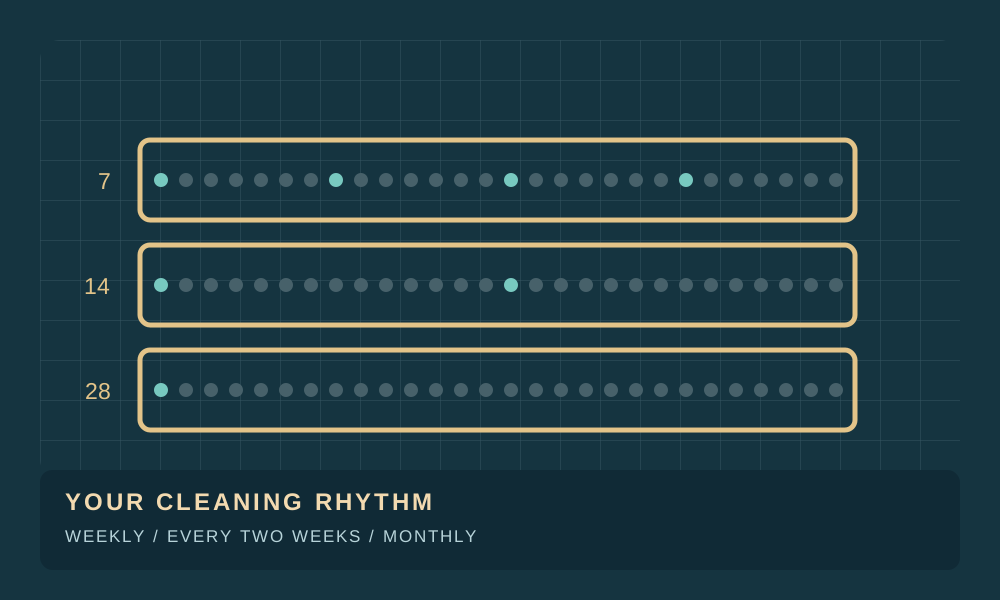
 Your plan at a glance
- WeeklyShort gaps between maintenance visits.
- BiweeklyA visit every two weeks.
- MonthlyMore upkeep between visits.
- ReviewAdjust when household use changes.
Choose the gap you can comfortably maintain
The best schedule is the one that matches the work happening between visits. Household size is only part of the picture. Cooking, working from home, pets, visitors and your own cleaning routine all affect how quickly a room needs attention.
Instead of asking which frequency is most popular, look at the home a few days before the next proposed visit. Are bathrooms still manageable? Are kitchen surfaces and floors getting attention? That tells you more than the calendar alone.
Compare the three rhythms
| Schedule | May suit | Your role between visits |
|---|---|---|
| Weekly | A heavily used home or someone wanting shorter maintenance gaps | Daily spills, dishes, laundry and clutter still need attention |
| Biweekly | A home where the household manages a lighter reset between visits | Maintain kitchen and bathroom surfaces and high-traffic floors |
| Monthly | A lightly used home or a household that cleans consistently itself | Carry out more of the routine cleaning; do not let buildup wait a month |
These are planning examples. Condition, scope and access still determine the quote.
Understand the first visit separately
A maintenance schedule starts from an agreed baseline. Whether the first visit needs a deep clean depends on the home's condition. Confirm that initial scope and price before comparing ongoing visits.
Weekly maintenance does not automatically include oven interiors, cabinet interiors or another deep-cleaning task. A recurring quote should say which rooms and tasks repeat, which extras are separately priced and what happens if the condition or requested work changes.
Compare total cost, not just the visit price
A lower price per visit can still mean a higher total because there are more visits. Compare the written price multiplied by the expected number of visits over the same period. A biweekly schedule means every two weeks; it is not identical to twice a calendar month.
For example, if one option had four visits and another had two during the period you are comparing, multiply each quoted visit price by its actual visit count. Add any agreed extras separately. Do not use a made-up average as your home’s quote; request the current figures.
Use a two-visit review
- Note which rooms need attention before the next scheduled clean.
- Record the tasks you are realistically willing to do yourself.
- Tell the team if pets, guests or work patterns have changed.
- Discuss a frequency or scope adjustment before the next booking.
If only one room becomes difficult, ask about priorities before changing the entire schedule. If you are repeatedly doing a major clean between visits, a shorter interval may be worth discussing. If rooms stay well maintained, review whether your current rhythm still fits.
Availability and any recurring arrangement must be confirmed directly. The point is a sustainable routine with a clear quote, not a promise that one interval works for every NJ household.